
Handcrafted Medieval and HEMA Shields
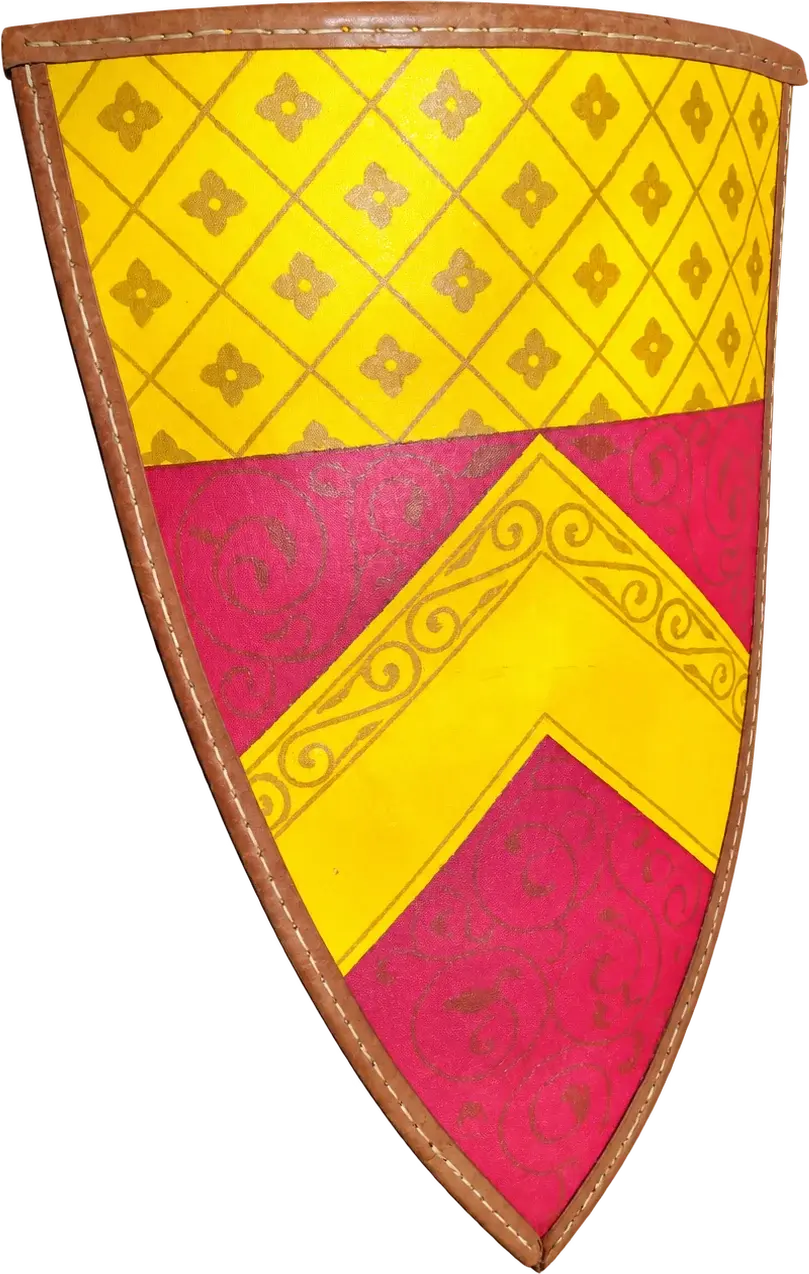
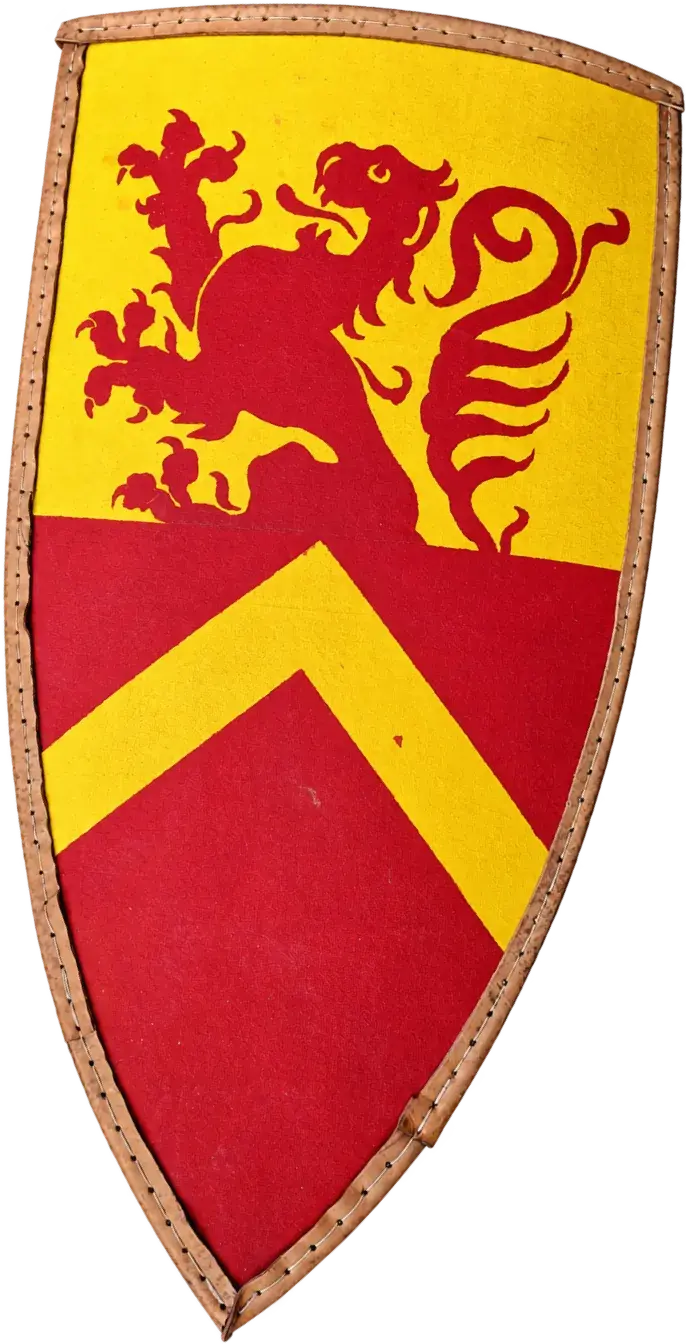
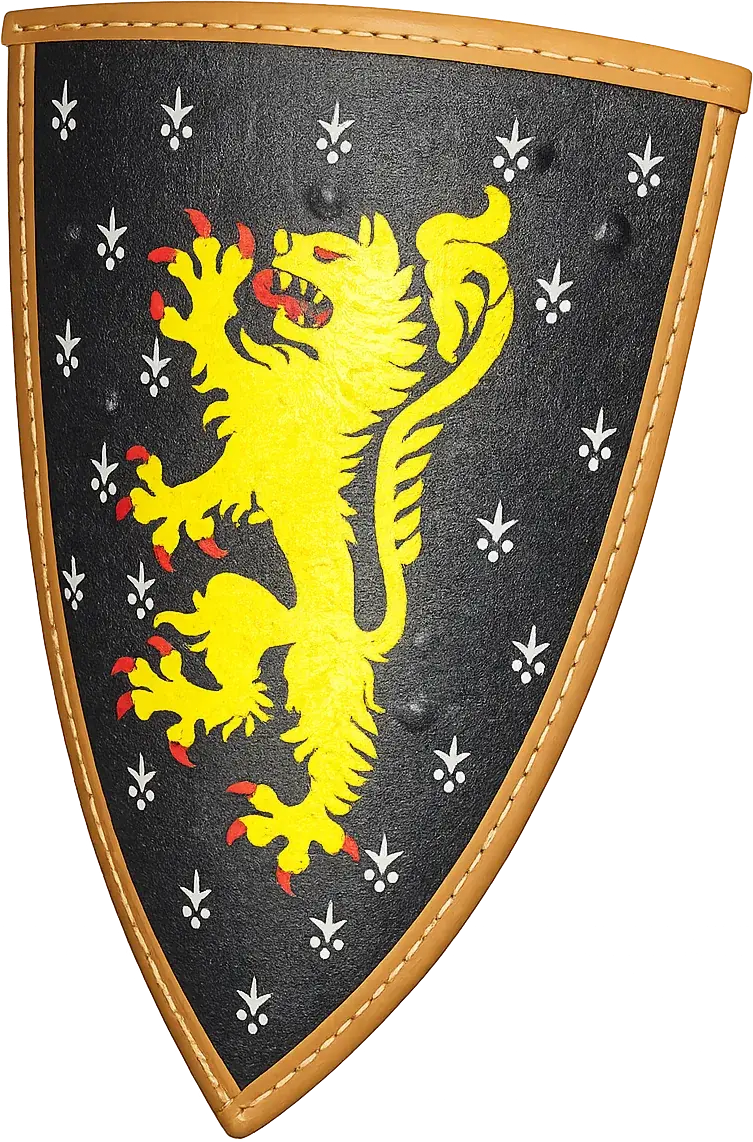
Featured Shields
Each piece is unique. Select a shield to view full specifications and historical context.
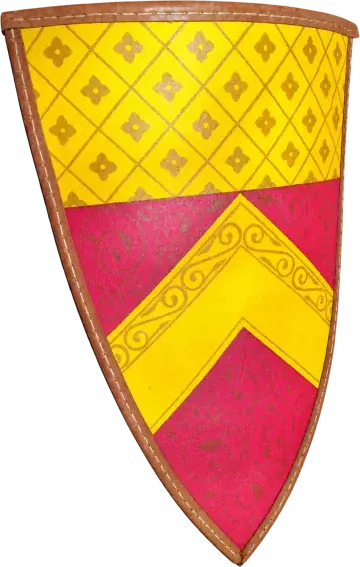
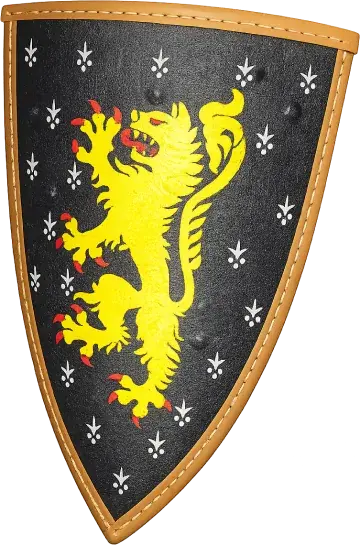
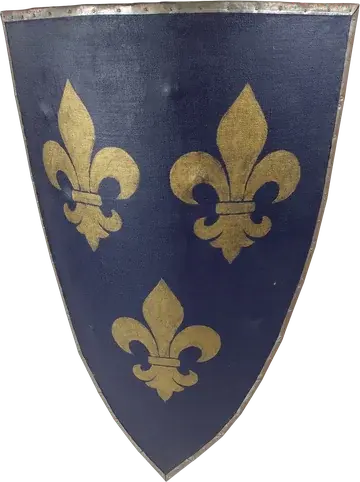
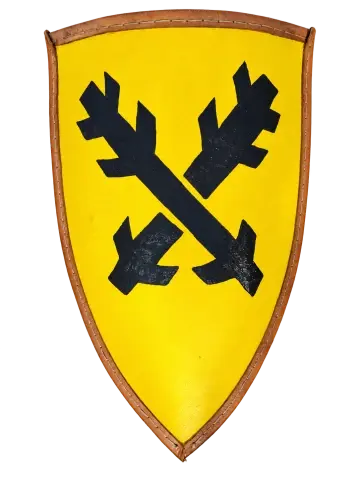
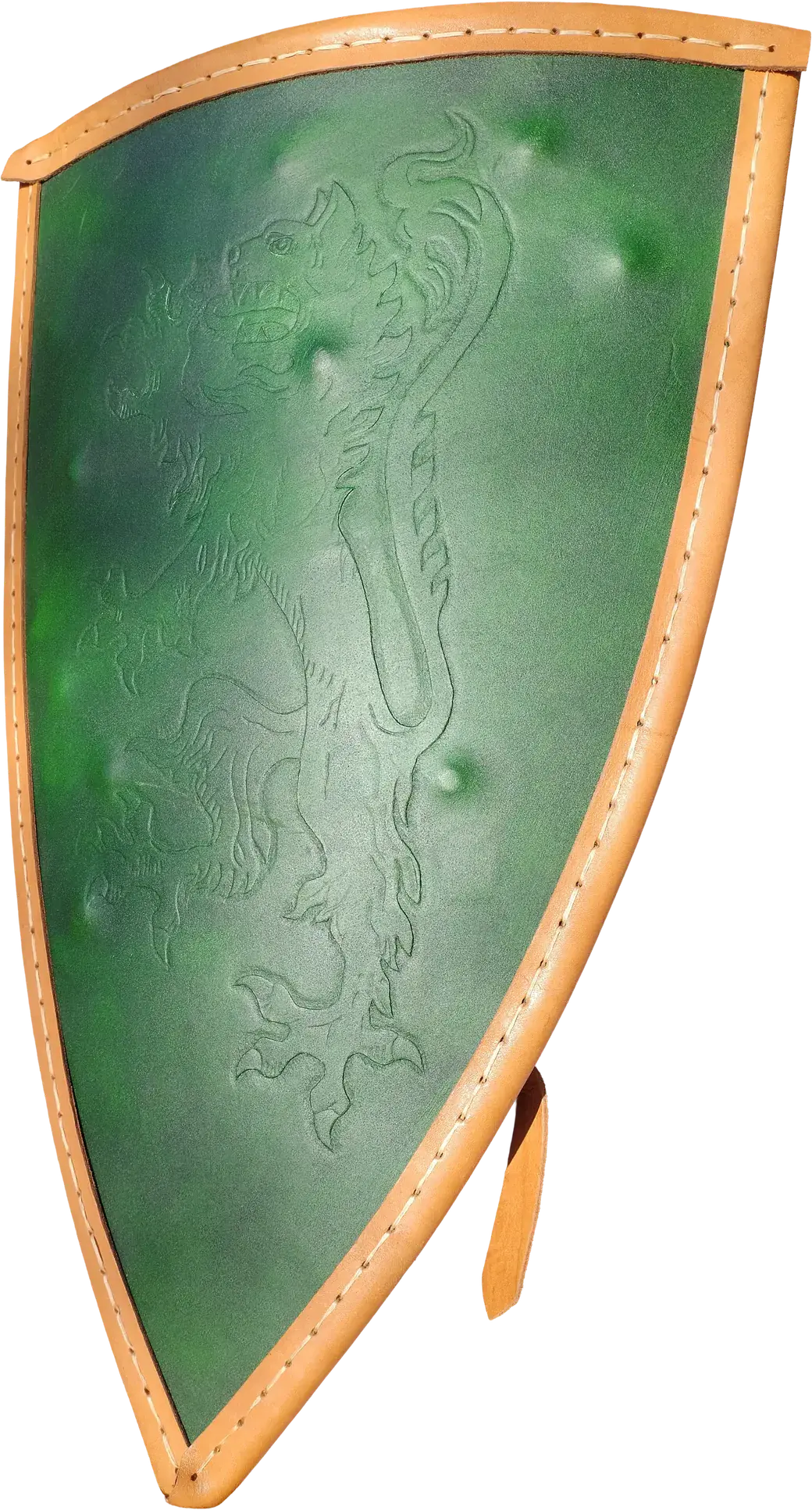
Made Exactly to your Specifications
I follow construction methods inspired by medieval treatises and surviving archaeological finds. But I go further — every component is hand-crafted to your specification, from start to finish. Each shield is a unique piece of functional art, made to be used and cherished for generations.
- Plywood glued and bent to shape, treated with oil to stay water-resistant
- Leather or rawhide-wrapped rim, with metal reinforcement available on custom builds, for structural reinforcement and edge protection
- Linen OR leather covered, painted or leather pressed face in a period-inspired quartered scheme
- Leather enarmes as standard; whether the grip has a buckle depends on the shield
- Optional leather and wool cushion for your arm
- Optional guige to carry the shield from your shoulder or on your back
- Leather strap to hang the shield on the wall
From Craft to Tradition
Every shieldwright.eu shield passes through four stages of hand craftsmanship before it reaches you.
Plywood or glued planks are clamped together. Cut, shaped and treated with oil to be water resistant.
Leather straps are glued and sewn together. Hand guard and leather straps are riveted to the shield.
Linen is being glued in layers. Gesso is being applied. Artwork is being painted.
Leather or rawhide rims are sewn and attached to the shield, matched to your build or the historical specimen, for added durability and aesthetic appeal.
How Medieval Shields Were Made
Evidence-led studies of surviving medieval shields, and the research behind every piece I make.
 12m
Přemysl Ottokar II: The Lion of Bohemia on a King's Seal
Přemysl Ottokar II, King of Bohemia, died on the Marchfeld in 1278. His two-sided seal shows him riding with a lion shield on one face and the Austrian band on the other. What do the seal and the armorials establish about his shield, and what must a reconstruction leave open?
Read the Article → 12m
Henry I the Bearded: The Shield of a Silesian Piast Duke
An early thirteenth-century seal preserves the shield emblem of Henry I the Bearded (c.1165/70–1238), one of medieval Poland's most powerful rulers: a crescent with a cross. What does the seal reveal, and how much of his shield can responsibly be reconstructed?
Read the Article → 11m
William Marshal: Reconstructing the Shield of the Greatest Knight
What did the shield of William Marshal (c.1147–1219) actually look like? Matthew Paris's drawings, Marshal's own seal, the Temple Church effigy and the surviving shields from Oña, Seedorf and Szczecin show what can be known about his gold, green and red lion arms, and what a maker has to interpret.
Read the Article →
Claim Your Shield
Each piece is made to order. Commission your shield today and receive it within 4 to 8 weeks, crafted to your specification.